

The City of Espoo is known for its growth and development, but the experiences of many residents and entrepreneurs with the city’s bureaucracy tell a different story. Processing times for building permits drag on, and the administrative structures seem complex. Is it time to take a look at how Espoo’s administration could serve its residents better?
Espoo’s administrative structure and staffing numbers
The City of Espoo’s organisation consists of group administration, the vitality results area, and two sectors: the Growth and Learning sector and the Urban Environment sector. From the beginning of 2023, the City of Espoo’s personnel were distributed across the different sectors so that early childhood education staff accounted for about 30 percent of the total personnel.
In Espoo, the sectors have been very strongly separated, which is partly a good thing, but at the same time it creates a risk of overlapping functions. For example, support services such as HR administration, communications and IT administration may be running separately in several different units, even though the tasks and objectives are the same. Here there would be an opportunity for synergy and for lightening administration, without compromising service quality.
In addition, it would be important to examine whether the city’s internal development units have clearly defined roles. Good objectives, such as digitalisation, ESG work and coordination of sustainable development, can be overlapping or fragmented if responsibility is not clearly centralised and operations are not genuinely transparent.
Challenges in the building permit process
Processing building permits in Espoo has sparked discussion. In 2022, one family waited nine months for a building permit, which made planning and implementing construction difficult. However, the city has sought to develop its electronic services in building control, which supports the entire process from application all the way to the completion of the building.
In addition, several small builders and detached-house projects encounter difficulties when guidance is perceived as contradictory or changing. Applicants often find it difficult to get clear information about what is required at each stage. This causes frustration and weakens trust in public services. One solution could be a designated contact person in building control who would accompany the applicant throughout the entire process.
Such customer guidance does not mean an increase in workload, but rather that the applicant has someone who knows how to respond and move the matter forward at the right stage. At the same time, it would also help officials, as unnecessary enquiries and incorrectly submitted attachments would decrease.
Development measures and future outlook
The City of Espoo has reviewed its administrative and support functions to ensure the justification and rationality of operations. City Manager Jukka Mäkelä has stated that the number of personnel will not be reduced, but efforts will be made to improve operational efficiency. In addition, Espoo has introduced the Suuntaamo operating model, which reforms HR management practices by focusing, among other things, on continuous feedback and coaching leadership.
Organisational changes are often made from the top down, and although they have good objectives, their impacts on the field are not always assessed sufficiently. For example, the introduction of the Suuntaamo operating model is a good step, but at the same time it would be important to monitor its effects on employee workload and the customer experience. Digital solutions are welcome, but they must be easy to use and genuinely save time.
At the same time, we should be able to create a culture in which raising shortcomings is not a problem but an asset. Feedback from residents and employees is valuable information – it must not be left lying in systems without action.
In conclusion
The growth and development of the City of Espoo require flexibility from administration and the ability to serve its residents effectively. Streamlining building permit processes and reviewing administrative structures are steps toward a city where bureaucracy does not slow development, but supports it.
Espoo has every prerequisite to show the whole country how the administration of a major city can be both efficient and resident-friendly. However, this requires continuous monitoring, metrics and openness – as well as a willingness to acknowledge that sometimes structures must be dismantled and rebuilt better.
Yes, much has been promised – but little concreteness has been seen. Promises of electronic services, smoother permitting and a better customer experience have been heard for years. Yet at the practical level, many Espoo residents still face the same problem: waiting without an answer, unclear responsibility and a fog of bureaucracy.
Now is the time to move from words to deeds – and make Espoo a truly functional city that serves its residents and entrepreneurs. We cannot afford to maintain a system that slows things down when it should be accelerating them.
Source: Uusi Suomi
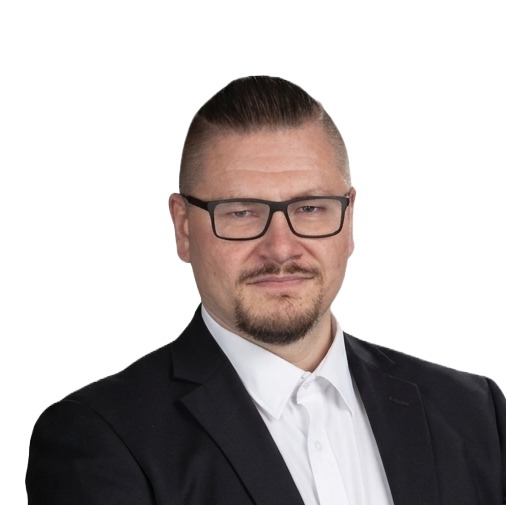
Markku Arvekari
Digital Transformation Expert