Introduction: Understanding the Cyber Threat Landscape
In today’s interconnected world, cybersecurity is not just a buzzword but a fundamental necessity for businesses of all sizes. As technology advances, so do the tactics of cybercriminals, making it essential for companies to understand and prepare for the various forms of digital attacks. From phishing and malware to ransomware and advanced persistent threats, the array of tactics used to compromise business data is vast and continually evolving. Even small businesses, which may believe they have nothing worth stealing, are often targets, as attackers can use their networks as gateways to larger corporations or for the sheer volume of attacks they can automate.
Building a Multilayered Defense System
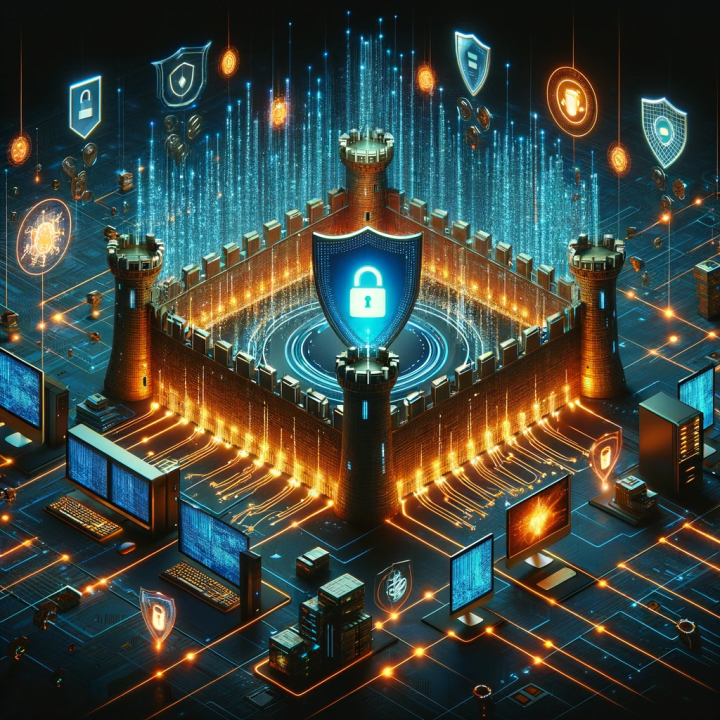
A robust cybersecurity strategy involves multiple layers of protection spread across the computers, networks, programs, or data that one intends to keep safe. Strong passwords are just the starting point. In the era of sophisticated attacks, relying solely on passwords is akin to securing a vault with a simple latch. Instead, businesses should implement multi-factor authentication, deploy antivirus and anti-malware solutions at various points in their network, and ensure end-to-end encryption of sensitive data.
Furthermore, designing systems and architectures with the principle of least privilege can minimize the potential damage from any single point of compromise. Regular backups and a well-thought-out business continuity plan form the last line of defense, ensuring that the company can recover quickly even if the primary defenses are breached.
The Human Factor: Empowering Employees as Cyber Defenders
Employees must be empowered to act as the company’s cyber defenders. Regular training sessions can educate staff on the importance of cybersecurity, teaching them to recognize and respond to threats effectively. Security audits and monitoring should be routine, helping to spot and address vulnerabilities. A vigilant workforce, coupled with a culture that prioritizes security, can significantly strengthen an organization’s cyber defenses.
Proactive Measures: The Ongoing Cybersecurity Quest with AI Integration
Proactive cybersecurity is not a one-time setup but a continuous endeavor. It requires keeping security protocols up to date, conducting frequent risk assessments, and staying ahead of new threats. The integration of AI into cybersecurity strategies is a game-changer, offering the ability to analyze data patterns, detect anomalies, and predict threats with precision and efficiency.
AI systems can monitor network traffic and user behavior to identify potential risks, learning and improving over time to enhance their predictive capabilities. This proactive stance, powered by AI, enables businesses to thwart cyber threats before they can cause harm.
Conclusion: The Imperative of a Dynamic Cybersecurity Strategy
A dynamic cybersecurity strategy is vital for the protection and resilience of any business in the digital age. It’s a comprehensive approach that blends advanced technology, informed human vigilance, and the agility to adapt to new threats. By fostering a proactive and educated workplace and harnessing the power of AI, businesses can create a robust cybersecurity ecosystem. This ecosystem not only defends against existing threats but is also equipped to evolve with the cyber threat landscape, safeguarding the company’s future and maintaining the trust of its customers.

Markku Arvekari
Digital Transformation Expert