Introduction
In today’s rapidly evolving technological landscape, the integration of Internet of Things (IoT) devices across buildings and data centers marks a significant leap toward unparalleled operational efficiency and sustainability. As we delve deeper into the potential of these technologies, the synergy between Digital Twin models and Data Center Infrastructure Management (DCIM) systems emerges as a cornerstone for modern infrastructure management. This article sets out to explore the transformative impact of harnessing IoT data not only to enhance building-wide management but also to optimize data center operations through advanced DCIM integration. By creating a unified digital twin that encompasses both the physical and operational nuances of entire buildings, including data centers, we unlock new dimensions of efficiency and insight. The continuous, two-way interaction between DCIM and digital twins represents a pivotal development, enabling predictive maintenance, energy savings, and a proactive stance on operational challenges. As we navigate through this exploration, we stand on the cusp of redefining what it means to manage and optimize our built environments for the future.
Broadening Perspectives with IoT Deployment
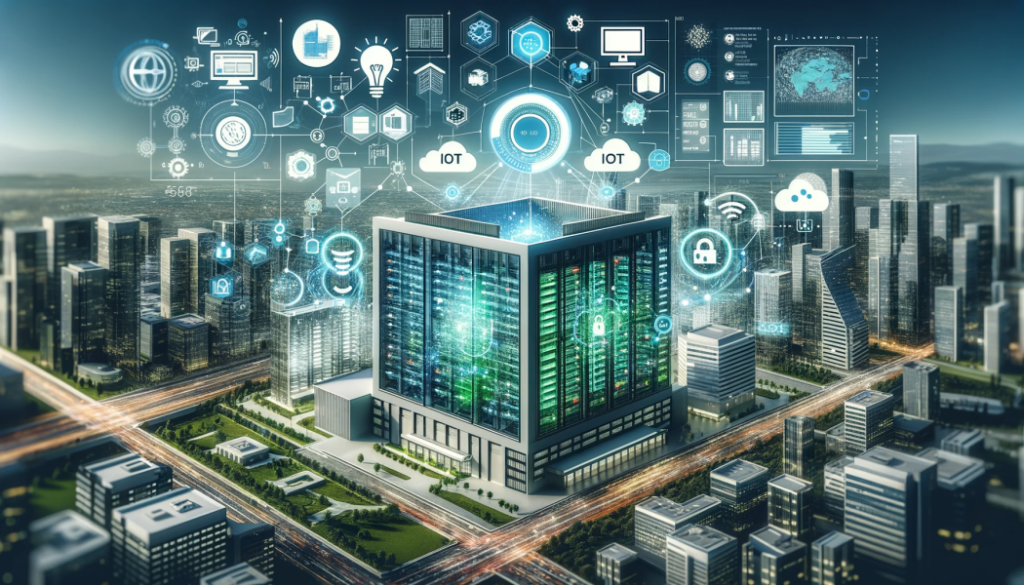
The advent of IoT technology has revolutionized the way we perceive and interact with our physical environments, particularly in complex infrastructures like buildings and data centers. By strategically placing IoT sensors throughout a building, we can gather a wealth of data on environmental conditions, energy consumption, and occupancy patterns. This network of sensors acts as the building’s nervous system, continuously feeding real-time data into a centralized management platform.
The value of this data is immense, offering insights that were previously inaccessible. For instance, temperature and humidity sensors can help maintain optimal conditions for both occupants and sensitive data center equipment, while motion detectors and smart meters track energy usage and occupancy, enabling smarter, more efficient building operations. Moreover, integrating IoT devices not only enhances operational efficiency but also lays the foundation for a more sustainable approach to building management, aligning with broader environmental and sustainability goals (ESG).
However, the deployment of IoT technology is not without its challenges. It requires careful planning to ensure comprehensive coverage without redundancy, as well as robust security measures to protect against potential cyber threats. Additionally, the sheer volume and variety of data generated by these devices necessitate advanced data processing and analysis capabilities.
By embracing IoT deployment as a foundational step, buildings and data centers can transform into intelligent entities capable of self-optimization. This transformation marks the beginning of a journey towards achieving unprecedented levels of energy efficiency, operational excellence, and environmental stewardship. As we continue to explore the capabilities and potential of IoT within these spaces, it becomes clear that the future of building and data center management is not just connected—it’s smart.
Refining Operations with Data Harmonization and Canonization
The seamless integration of IoT technology across building infrastructures leads us to the critical processes of data harmonization and canonization—a vital step in transforming raw data into actionable insights. With data streaming in from myriad sources, each with its unique format and scale, the task at hand is to create a unified, coherent dataset that accurately reflects the operational state of the building and its data center.
Data harmonization begins by standardizing the disparate data, ensuring that temperature readings from different manufacturers’ sensors or occupancy data from various systems can be compared on an equal footing. This standardization is crucial for building a reliable digital twin that mirrors the real-world conditions accurately. Following harmonization, canonization takes these standardized data points and integrates them into a common framework or model, effectively ’translating’ them into a universal language understood across the digital twin’s platform.
This meticulous process of data refinement serves multiple purposes. Firstly, it enables the digital twin to function as an accurate, dynamic model of the building, reflecting changes in real-time and predicting future states based on historical data. Secondly, it lays the groundwork for advanced analytics and AI-driven insights, which can identify patterns, predict failures, and suggest optimizations that were previously beyond our reach.
Moreover, harmonized and canonized data fuels the DCIM systems’ capability to manage the data center’s infrastructure efficiently. It allows for a holistic view of energy usage, environmental conditions, and system health, facilitating proactive adjustments that minimize downtime and energy waste. This data-driven approach not only enhances operational efficiency but also significantly contributes to sustainability goals by optimizing resource usage.
In essence, the journey from raw, disparate data to a harmonized and canonized dataset is transformative, enabling buildings and data centers to not just operate, but thrive in an era of smart management. It’s a testament to the power of digital integration in paving the way for a more efficient, sustainable future.
Unifying the Physical and Digital with Comprehensive Digital Twins
Transitioning from the foundational work of data harmonization and canonization, the creation of a comprehensive digital twin represents the culmination of our efforts to bridge the physical and digital realms of building and data center management. This digital twin serves as a dynamic, virtual model that mirrors the intricate web of physical infrastructure, environmental conditions, and operational dynamics across the entire building ecosystem.
At the heart of developing an effective digital twin is the meticulous mapping of every component within the building and data center. From the cooling systems that maintain optimal server temperatures to the energy management systems that light up office spaces, each element is recreated within the digital twin with unparalleled precision. This virtual modeling extends beyond mere replication, incorporating real-time and historical data to simulate current conditions and predict future scenarios.
The true power of the digital twin lies in its ability to provide a holistic view of the building’s operations. By integrating data from IoT sensors, DCIM systems, and other building management systems into the digital twin, stakeholders can visualize the operational status of their facilities in unprecedented detail. This visualization enables proactive decision-making, allowing for adjustments to be made before issues escalate into critical problems.
Furthermore, the digital twin facilitates scenario testing and optimization exercises that were previously impossible. Managers can simulate the impact of changes to the building layout, environmental settings, or IT deployments to determine the most efficient outcomes. This capability is invaluable in planning for expansions, energy efficiency initiatives, and sustainability initiatives, ensuring that decisions are informed by comprehensive analysis and predictive modeling.
The integration of DCIM systems with the digital twin brings an added layer of sophistication to data center management. This symbiosis allows for real-time monitoring and management of data center infrastructure, leveraging the digital twin’s predictive analytics to optimize performance, anticipate maintenance needs, and reduce energy consumption. The feedback loop between the digital twin and DCIM systems ensures that the virtual model is always aligned with the physical reality, enhancing the accuracy of simulations and the effectiveness of operational strategies.
By establishing a comprehensive digital twin, we step into a new era of building and data center management—one that is informed, agile, and sustainable. This digital convergence not only maximizes operational efficiency but also paves the way for achieving long-term environmental and sustainability goals, marking a significant leap forward in how we conceive and manage our built environments.
Optimizing Through Two-Way DCIM and Digital Twin Interaction
The seamless integration and continuous dialogue between Data Center Infrastructure Management (DCIM) systems and the entity-based digital twin represent a paradigm shift in data center and building management. This two-way interaction not only enhances the monitoring capabilities but also elevates operational efficiency to new heights.
Dynamic Data Flow and Real-time Adjustments: The cornerstone of this interaction is the dynamic exchange of data. DCIM systems, adept at monitoring the health and performance of data center components, feed real-time data into the digital twin. In return, the digital twin analyzes this data, leveraging advanced analytics and AI to generate insights and predictive models. This loop enables immediate adjustments to be made within the DCIM system, such as altering cooling parameters in response to predicted heat increases or redistributing workloads to optimize server performance.
Predictive Maintenance and Operational Efficiency: One of the most significant benefits of this integration is the ability to perform predictive maintenance. By identifying potential issues before they manifest into system failures, data centers can reduce downtime, extend the lifespan of their equipment, and maintain optimal operational efficiency. This predictive approach, informed by the comprehensive analysis capabilities of the digital twin, ensures that maintenance schedules are proactive rather than reactive.
Energy Optimization and Sustainability Goals: Beyond maintenance, the interplay between DCIM and digital twins plays a crucial role in energy optimization. By analyzing patterns of energy consumption and identifying inefficiencies, the system can recommend adjustments that significantly reduce energy usage without compromising performance. This capability is integral to meeting sustainability and ESG goals, as it directly contributes to lowering the carbon footprint of data center operations.
Enhancing Decision-making with Scenario Simulation: Another advantage of this two-way interaction is the ability to simulate various operational scenarios within the digital twin. These simulations can forecast the outcomes of changes in infrastructure, IT deployments, or energy management strategies, providing decision-makers with valuable insights to inform their strategies. This level of foresight is invaluable for planning future expansions, adopting new technologies, or implementing energy-saving initiatives.
Continuous Evolution and Improvement: The dynamic nature of the digital twin and DCIM integration allows for a continuous cycle of improvement. As new data is collected and analyzed, the digital twin evolves, becoming increasingly accurate and insightful. This ongoing refinement ensures that data center and building management strategies remain aligned with the latest operational data, technological advancements, and sustainability practices.
By harnessing the power of two-way interaction between DCIM systems and digital twins, we unlock unparalleled opportunities for optimization and efficiency. This symbiotic relationship not only streamlines data center operations but also sets a new standard for the sustainable management of modern infrastructures.
Charting the Course for Future Infrastructure Management
As we navigate the confluence of digital twins, DCIM, and IoT within the realms of data centers and broader building management, it becomes evident that we’re not just optimizing current operations but also charting the course for the future of infrastructure management. This forward-looking perspective ensures that our buildings and data centers are not only efficient and sustainable today but also adaptable and resilient for the challenges tomorrow might bring.
Embracing Comprehensive Energy Efficiency: The integrated approach of utilizing digital twins with DCIM and IoT sensors across the infrastructure heralds a new era of energy efficiency. By continuously monitoring and analyzing energy usage in real-time, these technologies enable us to pinpoint exactly where inefficiencies lie and how to rectify them. The result is a significant reduction in energy consumption, lowering operational costs and contributing to a more sustainable planet.
Advancing Toward Sustainability and ESG Goals: Beyond operational efficiency, this holistic management strategy aligns closely with Environmental, Social, and Governance (ESG) goals. By reducing energy consumption and optimizing resource use, buildings and data centers can significantly reduce their environmental impact. Moreover, the detailed insights provided by digital twins can aid in designing greener, more sustainable infrastructure from the ground up, ensuring that new developments are in harmony with ESG principles.
Facilitating Scalability and Flexibility: As organizations grow and evolve, so too must their infrastructures. The dynamic nature of digital twins, enriched by DCIM and IoT data, offers unprecedented scalability and flexibility. This adaptability is crucial for responding to changing operational demands, technological advancements, and environmental considerations, ensuring that infrastructure can grow and change without becoming obsolete.
Enhancing Resilience Against Future Challenges: The predictive analytics capabilities of digital twins, combined with the operational oversight of DCIM, fortify infrastructures against potential future challenges. Whether it’s anticipating the impact of climate change, navigating technological disruptions, or planning for capacity expansions, these integrated systems provide a foundation for resilience, ensuring that data centers and buildings can withstand and adapt to whatever the future holds.
Cultivating a Culture of Continuous Improvement: Lastly, the journey towards integrating digital twins with DCIM and IoT is an ongoing one. It fosters a culture of continuous improvement, where data-driven insights continually refine and enhance management strategies. This culture ensures that infrastructure management remains at the cutting edge of technology, sustainability, and efficiency.
Conclusion
The journey through the integration of digital twins, DCIM, and IoT into our building and data center infrastructures illuminates a path not just towards optimization but towards a revolution in how we manage and interact with our physical spaces. This harmonious blend of technologies brings about a paradigm shift, enabling unprecedented levels of efficiency, sustainability, and adaptability. By fostering a deep, data-driven understanding of our infrastructures, we empower ourselves to make informed decisions that significantly impact both operational performance and environmental stewardship. The future of infrastructure management is here, and it is intelligent, integrated, and insightful. As we embrace these advancements, we not only enhance our current capabilities but also lay the foundation for a resilient and sustainable future. The potential for positive change is immense, and the time to act is now. Let’s continue to push the boundaries of what’s possible, ensuring that our buildings and data centers are not only efficient and effective today but are also prepared to meet the challenges and opportunities of tomorrow.
Next Steps for Implementing Advanced Infrastructure Management:
-
Assess Current Infrastructure: Conduct a thorough review of your existing building and data center infrastructure to identify potential areas for IoT integration and digital twin development.
-
Set Clear Objectives: Define specific goals for energy efficiency, sustainability, and operational performance that align with your organization’s broader ESG initiatives.
-
Prioritize IoT Sensor Deployment: Determine key areas where IoT sensors can provide valuable data, focusing on both environmental conditions and equipment performance.
-
Explore DCIM Solutions: Research and select a DCIM solution that best fits your data center’s needs, considering factors like scalability, compatibility with existing systems, and analytics capabilities.
-
Develop a Phased Implementation Plan: Outline a step-by-step plan for integrating digital twins, DCIM, and IoT, allowing for gradual adoption and minimizing disruption.
-
Invest in Training: Ensure that your team is well-equipped with the knowledge and skills necessary to manage and optimize these integrated systems.
-
Establish Data Governance Policies: Create clear guidelines for data collection, storage, and analysis to maintain security and privacy standards.
-
Monitor and Adjust: Continuously monitor the performance of your integrated systems, using insights gained to make iterative improvements.
-
Engage Stakeholders: Keep all relevant stakeholders informed and involved in the process, from executive leadership to operational teams, ensuring alignment and support.
-
Review and Reflect: Regularly review the impact of your integration efforts on operational efficiency, sustainability, and overall performance, using these insights to refine your approach.

Markku Arvekari
Digital Transformation Expert