مقدمة
عندما يتحدث الناس عن أنظمة الذكاء الاصطناعي، غالبًا ما يفكرون في نموذج كبير واحد يتولى كل شيء. عمليًا، الأمر ليس كذلك. قد تبدو النماذج التوليدية ونماذج التركيب متشابهة على الورق لأن كليهما يستخدم التعلم العميق ومجموعات بيانات كبيرة، لكنها مبنية لأغراض مختلفة جدًا.
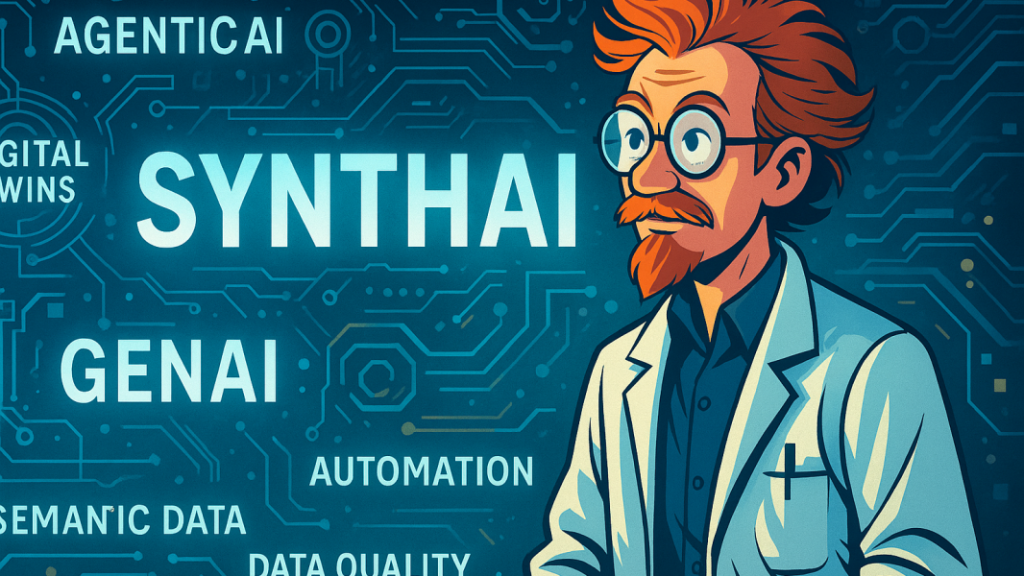
تشرح هذه الورقة كيف يختلف SynthAI عن GenAI من منظور تقني ولماذا صُمّم بهذه الطريقة. وسأوضح أيضًا كيف يرتبط SynthAI بـ، لكنه ليس نفسه، ما يسميه كثيرون اليوم AgenticAI.
GenAI – نموذج واحد، مخرج واحد
يعمل الذكاء الاصطناعي التوليدي مثل GPT أو نماذج انتشار الصور عبر نمط مباشر من الإدخال والإخراج. تعطيه مطالبة، فينتج شيئًا جديدًا بناءً على ما تعلمه. ذلك النموذج الواحد يقوم بكل العمل، من فهم الطلب إلى توليد النتيجة.
يؤدي أداءً جيدًا جدًا في المهام الإبداعية مثل الكتابة أو إنتاج المرئيات، لكنه يواجه صعوبة عندما يكون الهدف هو ربط مصادر بيانات متعددة أو دعم اتخاذ قرارات معقدة. GenAI يتعلق بالإنشاء لا بالربط، ما يجعله رائعًا لإنتاج المحتوى لكنه أقل ملاءمة للاستدلال أو تركيب البيانات.
SynthAI – نماذج كثيرة، فهم واحد
يتخذ SynthAI نهجًا مختلفًا. فهو لا يُبنى حول نموذج كبير واحد، بل حول عدة مكونات أصغر تعمل معًا. لكل منها دوره ويسهم في الفهم العام.
يمكن لنظام SynthAI نموذجي أن يتضمن طبقة لجمع البيانات تجمع بيانات مهيكلة مثل الجداول أو المستشعرات وبيانات غير مهيكلة مثل النصوص أو التقارير أو الصور. ثم تأتي النماذج التنبؤية التي تكتشف الأنماط والاتجاهات عبر البيانات وتُشير إلى متى قد تكون القرارات مطلوبة.
بعد ذلك تأتي نماذج التركيب التي تجمع المعلومات من أنظمة مختلفة، وتحدد الارتباطات، وتُبرز النتائج الأساسية بصيغة يمكن للناس استخدامها فعليًا. ثم يمكن للمكونات التوليدية أن تأخذ هذه النتائج وتشرحها بلغة طبيعية بحيث تكون النتائج واضحة ومفهومة. وفوق ذلك توجد طبقة الأتمتة، التي تربط الرؤى مرة أخرى بالأنظمة التشغيلية بحيث يمكن اقتراح الإجراءات أو تنفيذها.
تتيح هذه البنية لـ SynthAI أن يتكيف ويتطور ويتكامل بسهولة أكبر مع البيئات القائمة. ليس هناك دماغ واحد يقوم بكل شيء، بل أقرب إلى نظام منسّق يعرف فيه كل جزء دوره.
لماذا تؤدي هذه البنية أداءً أفضل
يوفر هذا الإعداد متعدد الطبقات عدة مزايا. أولًا، إنه مرن. يمكن ضبط كل جزء أو استبداله دون إعادة بناء النظام بأكمله. وهذا يعني أن المؤسسات يمكنها المزج بين نماذج مفتوحة المصدر أو خاصة أو مطورة داخليًا وفقًا لما يناسب بياناتها واحتياجاتها الأمنية على أفضل وجه.
ثانيًا، إنه أكثر أمانًا. يمكن للنماذج أن تعمل داخل بيئات داخلية آمنة دون إرسال بيانات حساسة إلى الخارج. وهذا مهم جدًا في قطاعات مثل الرعاية الصحية والتمويل، حيث تُعد الخصوصية والامتثال أمرين حاسمين.
ثالثًا، إنه أكثر دقة. لا يعتمد SynthAI على عملية توليد واحدة قد تهلوس أو تسيء تفسير البيانات. إنه يستخدم نماذج تركيب تتحقق من المعلومات وتُجري مطابقة متقاطعة قبل أن تعرضها الأجزاء التوليدية. وهذا يخلق نتائج أكثر موثوقية.
أهمية الضبط الدقيق وبيانات المجال
أحد أكثر الجوانب قيمة في SynthAI هو أنه يمكن ضبطه ضبطًا دقيقًا باستخدام بيانات الشركة نفسها. عندما تُدرَّب النماذج وتُكيَّف مع البيئة الفعلية، تصبح النتائج أكثر ملاءمة بكثير.
يمكن لشركة تمتلك بيانات داخلية عالية الجودة أن تبني نماذج تركيب لا يستطيع أحد آخر بسهولة تكرارها. يصبح ذلك ميزة طويلة الأمد لأن تلك النماذج تصبح أذكى وأكثر توافقًا مع سياق الأعمال بمرور الوقت. هذا لا يتعلق ببناء نموذج عالمي واحد، بل بإيجاد التوليفة المناسبة التي تفهم بياناتك ومنطقك على أفضل وجه.
SynthAI ليس هو نفسه AgenticAI
كان هناك الكثير من النقاش مؤخرًا حول AgenticAI، ومن السهل الخلط بين الاثنين. إنهما يعملان معًا بشكل جيد لكنهما ليسا الشيء نفسه.
AgenticAI يتعلق باتخاذ إجراء. إنه يخطط ويستدل وينفذ خطوات للوصول إلى هدف، غالبًا عبر الاتصال بأدوات أو أنظمة خارجية. إنه مدفوع بالمهام ومركز على التنفيذ.
أما SynthAI، على النقيض، فيتعلق بالفهم. إنه يجمع المعلومات ويحللها ويربطها لشرح ما الذي يحدث ولماذا. إنه يمنح الوضوح والاتجاه، والذي يمكن بعد ذلك أن يغذي نظام AgenticAI يتصرف بناءً على تلك الرؤى.
بعبارات بسيطة، SynthAI يوفر الفهم، وAgenticAI يطبقه. SynthAI ينظر إلى العالم ويشرحه، وAgenticAI يحاول تغييره.
عمليًا، غالبًا ما يعملان معًا. قد يلخص SynthAI وضعًا معقدًا أو يوصي بنهج ما، ثم يقوم AgenticAI بتنفيذه. لكن لديهما أهداف مختلفة ومبنيان بشكل مختلف. يمكنك امتلاك SynthAI بدون AgenticAI، لكن لا يمكنك بناء AgenticAI موثوق دون شيء يفهم البيانات أولًا.
لماذا يهم هذا الاختلاف
إن معرفة مواضع اختلاف هذه الأنظمة تساعد على تجنب الالتباس في المشاريع. كثير من المؤسسات اليوم لا تحتاج فعليًا إلى وكلاء مستقلين بالكامل. ما تحتاجه هو رؤية أفضل وبصيرة أسرع وأوضح. هذا ما يوفره SynthAI.
إنه يبني طبقة الفهم والاستدلال التي تجعل الأتمتة أكثر أمانًا وفعالية. بمجرد أن تمتلك ذلك، يمكنك عندها إدخال AgenticAI للتنفيذ.
بالنسبة لمعظم المؤسسات، SynthAI هو الخطوة التالية الصحيحة. إنه ينشئ بنية لفهم قائم على البيانات قبل منح الأتمتة حرية التصرف.
الخلاصة
تقنيًا، SynthAI ليس GenAI أكبر أو أكثر تقدمًا. إنها بنية مختلفة تجمع بين التنبؤ والتركيب والتوليد والأتمتة بطريقة تدعم اتخاذ القرار في العالم الحقيقي.
إنه معياري وآمن وقابل للتكيف، ومصمم للعمل مع البيانات التي لديك بالفعل وجعلها ذات معنى. وعلى الرغم من أنه يمكن أن يتكامل مع AgenticAI، فإن قوته تكمن في الفهم والوضوح، لا في الاستقلالية.
GenAI ينشئ، وAgenticAI يتصرف، لكن SynthAI يفهم. وهذا الفهم هو ما يحول المعلومات إلى ذكاء حقيقي.
تحديث – تغيير المصطلحات
بعد نشر هذا المقال، تمت إعادة تسمية مفهوم الذكاء الاصطناعي الذي كان يُشار إليه سابقًا باسم SynthAI إلى Symantic AI.
تم إجراء هذا التغيير لتجنب الالتباس مع Synthetic AI، الذي يشير عادةً إلى أنظمة ذكاء اصطناعي تُستخدم لتوليد محتوى اصطناعي مثل النصوص أو الصور أو الصوت أو الفيديو أو وسائط أخرى مُنشأة اصطناعيًا.
في المنشورات المستقبلية، سيُستخدم مصطلح Symantic AI لوصف هذا المفهوم. لذلك ينبغي فهم المقالات الحالية التي تشير إلى SynthAI على أنها تشير إلى Symantic AI.

Markku Arvekari
خبير التحول الرقمي