مقدمة
خلال السنوات القليلة الماضية، أصبح الذكاء الاصطناعي التوليدي مصطلحًا شائعًا في كل بيت. لقد أدخل الذكاء الاصطناعي إلى الحديث اليومي وجعل الناس يدركون إلى أي مدى تقدّمت التكنولوجيا. كان بإمكانك أن تطلب منه أن يكتب أو يرسم أو يشرح تقريبًا أي شيء. لكن بعد الحماس الأول، كان السؤال الذي بدأ كثير منا يطرحه هو: ما التالي.
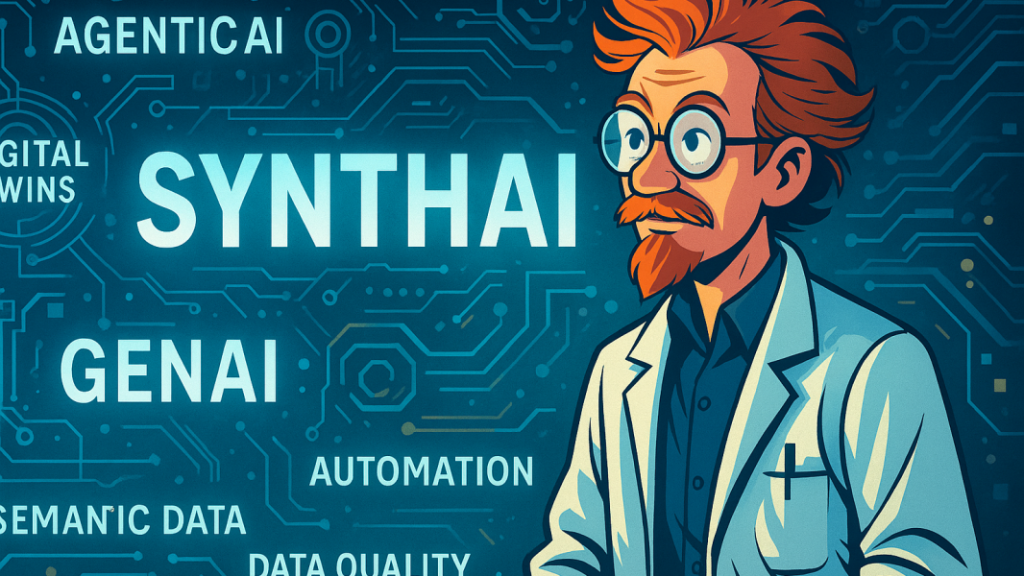
بالنسبة للشركات، التحدي الحقيقي ليس إنتاج المزيد من البيانات أو المحتوى، بل أن تتمكن فعليًا من فهمه. وهنا تبدأ خطوة جديدة، شيء أسميه SynthAI – اختصارًا لـ الذكاء الاصطناعي الاصطناعي.
حيث يركز GenAI على إنشاء الأشياء، يركز SynthAI على الفهم. فهو يجمع المعلومات من مصادر مختلفة، ويرشّح الضجيج، ويمنحك صورة واضحة عمّا يهم حقًا. بدلًا من إنشاء المزيد، فإنه يربط ما هو موجود بالفعل.
من الموجة 1 إلى الموجة 2
الموجة الأولى من الذكاء الاصطناعي، ما نعرفه جميعًا باسم GenAI، كانت تدور أساسًا حول الإنشاء. تعلّم من مجموعات بيانات هائلة وبدأ يولّد محتوى يبدو وكأنه صُنع بواسطة البشر. لقد غيّر ذلك طريقة عمل الناس، لكنه خلق أيضًا نوعًا جديدًا من فرط الحمل. حصلنا على مزيد من النصوص، ومزيد من لوحات المعلومات، ومزيد من المواد — وغالبًا قدر أقل من الوضوح.
أرى الموجة 1 كمرحلة توسّع. أصبح الذكاء الاصطناعي متاحًا على نطاق واسع، وسهل الاستخدام، ومبدعًا. لكن في كثير من المؤسسات، لم يكن دائمًا يحل المشكلة الحقيقية، وهي فهم الصورة الأكبر والتصرف بناءً عليها.
الآن نحن ندخل الموجة 2، وهنا يأتي دور SynthAI. يتحول التركيز من الإنشاء إلى التركيب. بدلًا من إنتاج المزيد، نستخدم الذكاء الاصطناعي لتحليل المعلومات التي لدينا بالفعل وربطها وتلخيصها. الهدف ليس كتابة مزيد من التقارير، بل العثور على النقاط الأساسية المخفية داخل التقارير الموجودة أصلًا.
ما الذي يفعله SynthAI فعليًا
SynthAI ليس هنا لاستبدال GenAI، بل يبني فوقه. حيث يتعلم GenAI الأنماط لإنشاء شيء جديد، يبحث SynthAI عن العلاقات والسياق بين الأشياء الموجودة بالفعل.
يمكنه القراءة عبر الأنظمة والمستندات ومجموعات البيانات، وتحويل كل تلك المعلومات إلى شكل يمكن للبشر استخدامه فعليًا لاتخاذ القرار. أسهل طريقة لوصف الفرق هي هذه: GenAI يكتب التقرير، وSynthAI يقرأ المئات منها ويخبرك بما يهم.
في الأعمال، يمكن أن يعني ذلك دمج البيانات المالية، ومعلومات السوق، ومقاييس التشغيل، ثم الإشارة إلى ما الذي يقود النتيجة. إنه انتقال من الإنتاج إلى الإدراك.
كيف يغيّر الطريقة التي يُنجَز بها العمل
في العمل اليومي، يقلّل SynthAI عدد الخطوات بين السؤال والجواب. فهو يستبدل البحث اليدوي والمقارنة والتحليل بطبقة واحدة تفهم بالفعل بنية بياناتك ومعناها.
بدلًا من البحث عبر عشرة أنظمة أو تقارير، يمكن للشخص أن يسأل فقط ويحصل على ملخص يتضمن بالفعل المنطق. هذا يوفر الوقت، لكن الأهم أنه يمنح اتساقًا ويزيل النقاط العمياء البشرية.
كما يجعل SynthAI من الممكن محاكاة السيناريوهات قبل التصرف. يمكنه التنبؤ بنتيجة تغيير ما استنادًا إلى أنماط تاريخية أو حالات مشابهة، ما يجعل اتخاذ القرار أقل ردّ فعل وأكثر استباقية.
حالات استخدام عملية
حالات الاستخدام مرئية بالفعل. في العمليات، يمكن لـ SynthAI دمج بيانات الإنتاج، ومعلومات اللوجستيات، وإشارات المخاطر للتنبؤ بالتأخيرات أو مشكلات السعة قبل حدوثها. في الأمن السيبراني، يمكنه تحليل تدفقات التهديدات، وسجلات الأنظمة، وبيانات الثغرات، وإظهار ما هو ذو صلة فعلًا فقط. في التمويل، يمكنه دمج بيانات الأداء، وسلوك السوق، وتحليل الاتجاهات لتحديد العلامات المبكرة للتغيير.
كل هذه مواقف لا يجلب فيها GenAI وحده قيمة كبيرة، لأن المشكلة ليست نقص المحتوى، بل نقص الترابط.
الجوانب البشرية والأخلاقية
مثل كل نهج جديد للذكاء الاصطناعي، فإن SynthAI جيد بقدر جودة البيانات التي تقف خلفه. إذا كانت البيانات غير مكتملة أو متحيزة، فستكون الرؤى كذلك. لهذا من المهم تصميم هذه الأنظمة مع وضع الشفافية والتحقق في الاعتبار.
لا ينبغي لـ SynthAI أن يتخذ القرارات بمفرده. قوته تكمن في دعم الناس، لا استبدالهم. فهو يساعد على تنظيم المعلومات حتى يتمكن البشر من استخدام حكمهم حيثما يكون الأمر أكثر أهمية.
لماذا يهم هذا التحول
هذا التحول من GenAI إلى SynthAI عملي، وليس تقنيًا فقط. المؤسسات اليوم محاطة بالمعلومات لكنها لا تزال تكافح لاتخاذ قرارات بناءً على صورة كاملة. يمنحها SynthAI طريقة للقيام بذلك أخيرًا.
هو لا يحاول أن يبدو ذكيًا أو مبدعًا، بل يساعد الناس ببساطة على فهم الموقف بشكل أسرع ومع سياق أكبر. هنا تكمن القيمة الحقيقية.
بالنسبة لي، هذه هي الخطوة الطبيعية التالية في تطور الذكاء الاصطناعي. أظهر GenAI ما يمكن للآلات إنتاجه. ويُظهر SynthAI ما يمكنها فهمه.
الأمر يتعلق بتحويل المعلومات إلى فهم، والفهم إلى إجراءات أفضل. من هنا يبدأ مستقبل الذكاء الاصطناعي حقًا.
تحديث – تغيير المصطلحات
بعد نشر هذا المقال، أُعيدت تسمية مفهوم الذكاء الاصطناعي الذي كان يُشار إليه سابقًا باسم SynthAI إلى Symantic AI.
تم إجراء هذا التغيير لتجنب الالتباس مع Synthetic AI، الذي يشير عادةً إلى أنظمة الذكاء الاصطناعي المستخدمة لتوليد محتوى اصطناعي مثل النصوص أو الصور أو الصوت أو الفيديو أو غيرها من الوسائط المُنشأة اصطناعيًا.
على امتداد المنشورات المستقبلية، سيُستخدم مصطلح Symantic AI لوصف هذا المفهوم. لذلك ينبغي فهم المقالات الحالية التي تشير إلى SynthAI على أنها تشير إلى Symantic AI.

Markku Arvekari
خبير التحول الرقمي