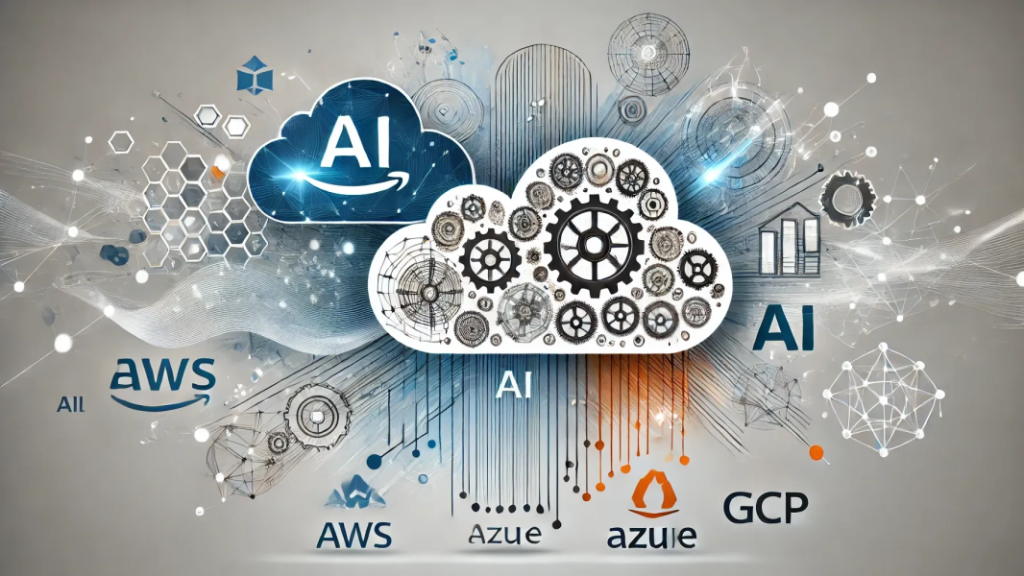
Tekoäly (AI) muokkaa toimialoja maailmanlaajuisesti, ja pilvialustat kuten AWS, Azure ja GCP ovat tämän vallankumouksen eturintamassa. Nämä jättiläiset tarjoavat työkalut ja infrastruktuurin, joita yritykset tarvitsevat AI-mallien kehittämiseen, kouluttamiseen ja käyttöönottoon. Mutta miten ne vertautuvat toisiinsa AI-kyvykkyyksien, generatiivisen tekoälyn tarjonnan ja operatiivisen tuen osalta? Tarkastellaan niiden vahvuuksia ja ainutlaatuisia tarjouksia, jotta nähdään, mikä alusta sopii parhaiten tiettyihin käyttötapauksiin.
AWS: Pilvitekoälyn edelläkävijä
Amazon Web Services (AWS) on jo pitkään ollut johtava toimija pilvialalla, tarjoten kattavia ratkaisuja sekä perinteiseen koneoppimiseen että generatiiviseen tekoälyyn.
-
Amazon SageMaker: SageMaker on päästä päähän -ML-alusta, joka on suunniteltu yksinkertaistamaan mallien rakentamista, kouluttamista ja käyttöönottoa. Sen ominaisuuksiin kuuluvat:SageMaker JumpStart: Valmiit ratkaisut yleisiin ML-ongelmiin.Autopilot: Automatisoi koneoppimisputken nopeampaa mallikehitystä varten.Inference Optimization: Edistyneet vaihtoehdot mallien käyttöönottoon skaalassa joustavaa päättelyä hyödyntäen.
-
Generative AI: AWS tarjoaa esikoulutettuja generatiivisen tekoälyn malleja palveluiden kuten Amazon Bedrock kautta, mikä mahdollistaa organisaatioille generatiivisen tekoälyn kyvykkyyksien, kuten tekstin tiivistämisen, kuvien generoinnin ja luonnollisen kielen käsittelyn, integroinnin sovelluksiin.
-
Toiminnot ja integraatio: SageMaker tukee MLOps-työkaluja versiohallintaan, automatisoituihin putkiin ja seurantaan, mikä tekee siitä sopivan yritystason AI-toimintoihin.
Vahvuudet: AWS loistaa skaalautuvuudessa, joustavuudessa ja kehittäjäystävällisissä työkaluissa. Se voi kuitenkin tuntua pelottavalta organisaatioille, joilla ei ole laajaa teknistä osaamista.
Azure: Tekoäly yritysintegraatiolla
Microsoft Azure on vahva vaihtoehto yrityksille, jotka arvostavat tiivistä integraatiota olemassa oleviin liiketoimintatyökaluihin sekä tasapainoista lähestymistapaa sekä perinteiseen että generatiiviseen tekoälyyn.
-
Azure Machine Learning (AML): AML on suunniteltu yritystason operatiivista tekoälyä varten:MLOps-integraatio: Yksinkertaistaa mallien versiointia, käyttöönottoa ja seurantaa syvällä integraatiolla Azure DevOps -ympäristöön.Designer-käyttöliittymä: Vedä ja pudota -ympäristö mallien rakentamiseen, ihanteellinen käyttäjille, joilla on vähemmän teknistä osaamista.
-
Azure OpenAI Service: Ainutlaatuinen tarjonta; tämä palvelu tarjoaa yritystason pääsyn edistyneisiin generatiivisen tekoälyn malleihin kuten GPT ja Codex. Käyttötapauksia ovat:Räätälöity AI-kehitys: GPT:n hienosäätö organisaatiokohtaisiin tehtäviin kuten asiakastuki tai sisällöntuotanto.Integraatio Microsoft-työkalujen kanssa: Generatiivinen tekoäly voidaan upottaa Microsoft Office -sovelluksiin, mahdollistaen automatisoidun sisällön luomisen, asiakirjayhteenvedot ja paljon muuta.
-
Toiminnot ja seuranta: AML:n vankat seurantatyökalut auttavat hallitsemaan sekä perinteisten että generatiivisten tekoälymallien elinkaarta yritystason luotettavuudella.
Vahvuudet: Azuren yritysintegraatiot ja saavutettavuus tekevät siitä ihanteellisen yrityksille, jotka ovat jo investoineet Microsoft-ekosysteemiin. Sen generatiivisen tekoälyn tarjonta on erottava tekijä, mutta se voi sitoa käyttäjät Microsoft-keskeisiin työnkulkuihin.
GCP: AI-ensin-pilvi
Google Cloud Platform (GCP) korostaa AI-innovaatioita ja kehittäjä ensin -lähestymistapaa, mikä tekee siitä suosikin huippuluokan AI-tutkimukseen ja käyttöönottoon.
-
Vertex AI: GCP:n yhtenäinen AI-alusta keskittyy AI:n operationalisointiin skaalassa:AutoML: Mahdollistaa ei-asiantuntijoille räätälöityjen mallien rakentamisen automatisoimalla monimutkaiset työnkulut.Mukautettu mallikoulutus: Tukee edistynyttä kehitystä TensorFlow- ja PyTorch-ympäristöissä saumattomalla integraatiolla Vertex AI:hin.Mallien seuranta: Automatisoidut työkalut vinoumien havaitsemiseen, ajautumisanalyysiin ja uudelleenkoulutushälytyksiin.
-
Generatiivisen tekoälyn kyvykkyydet:GCP integroi generatiivisen tekoälyn ekosysteemiinsä ominaisuuksien kuten keskusteleva tekoäly chatboteille (Dialogflow) sekä teksti-/kuvagenerointimallit luoviin sovelluksiin kautta.Vertex AI Search mahdollistaa edistyneet haku- ja suosittelujärjestelmät, joita tekoäly tehostaa.
-
Infrastruktuurietu: Tensor Processing Units (TPUs) tarjoavat vertaansa vailla olevan nopeuden ja tehokkuuden laajamittaiseen generatiivisen tekoälyn koulutukseen.
Vahvuudet: GCP on ihanteellinen organisaatioille, jotka priorisoivat AI-innovaatioita, mutta sen pienempi ekosysteemi voi rajoittaa kolmansien osapuolten integraatioita.
Oikean AI-pilven valitseminen
Valinta AWS:n, Azuren ja GCP:n välillä riippuu tarpeistasi:
-
AWS: Paras skaalautuvuuteen, joustavuuteen ja kehittäjäkeskeisiin AI-ratkaisuihin, joissa on vahva generatiivisen tekoälyn tuki Bedrockin kautta.
-
Azure: Loistaa yritysintegraatioissa ja operatiivisen tekoälyn hallinnassa, ainutlaatuisilla generatiivisen tekoälyn kyvykkyyksillä OpenAI-mallien kautta.
-
GCP: Innovaation johtaja, tarjoten tehokkaat työkalut räätälöityihin AI-malleihin ja erikoistuneisiin generatiivisen tekoälyn työnkulkuihin.

Markku Arvekari
Digital Transformation Expert