Johdanto: RPA:n käyttöalueen tarkentaminen
Digitaalisen automaation laajassa maailmassa Robotic Process Automation (RPA) nousee usein eturiviin liiketoimintaprosessien tehostamisessa. Sen paras käyttökohde löytyy kuitenkin hyvin tietyistä tilanteista, joissa perinteiset integraatiomenetelmät eivät riitä. Tämän artikkelin tavoitteena on kalibroida uudelleen käsitys RPA:n paikasta automaatiohierarkiassa ja täsmentää, milloin se tulisi ottaa käyttöön tehokkaana ratkaisuna ja milloin muut työkalut voivat tarjota tehokkaamman polun.
RPA:n ihanteellisten käyttötapausten ymmärtäminen
RPA loistaa tilanteissa, joissa suora ihmisen vuorovaikutus graafisen käyttöliittymän (GUI) kanssa on normaalia. Tähän kuuluvat tehtävät kuten tiedonkeruu, jossa tietoa poimitaan yhdestä sovelluksesta käsiteltäväksi tai syötettäväksi toiseen, sekä tilanteet, joissa käsitellään eräajoina tiedostoja tai käytetään vanhoja järjestelmiä, joista puuttuu API-tuki. Pohjimmiltaan RPA toimii siltana, kun suorat, koodipohjaiset integraatiomenetelmät ovat joko epäkäytännöllisiä tai mahdottomia.
Viimeinen keino: miksi RPA ei saisi olla ensimmäinen valintasi
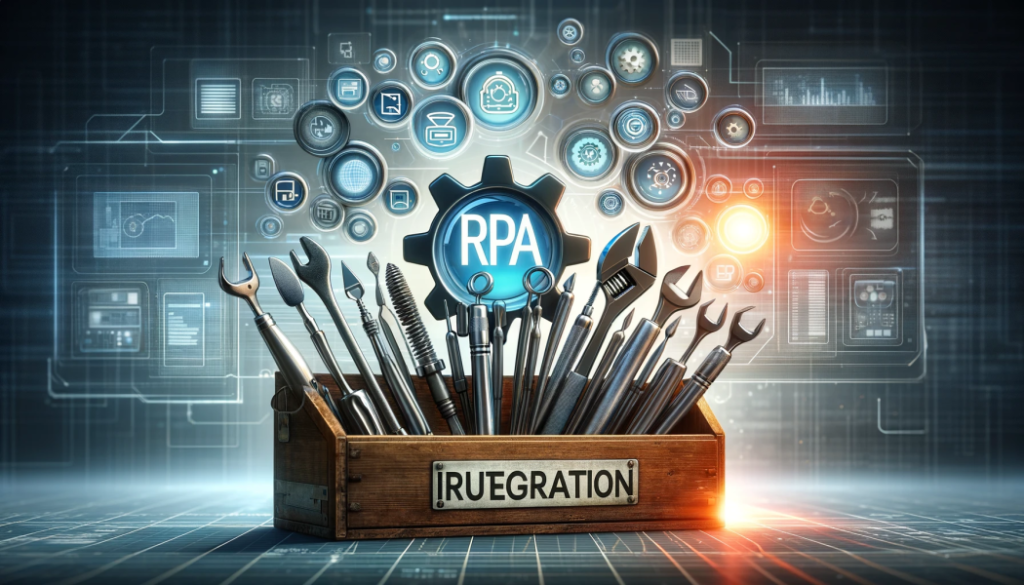
Vaikka RPA voi automatisoida tiettyjä tehtäviä tehokkaasti, on ratkaisevan tärkeää nähdä se yhtenä viimeisistä työkaluista, joihin tarttua integraatiotyökalupakissa. Syitä on monia:
-
Vanhojen järjestelmien kanssa toimiminen: Järjestelmissä, joissa ei ole API-rajapintoja, RPA voi automatisoida tehtäviä ilman, että järjestelmiä tarvitsee päivittää.
-
Nopeat korjaukset kiireellisiin automaatiotarpeisiin: RPA voi automatisoida prosesseja nopeasti ja toimia väliaikaisena ratkaisuna, kunnes integroidumpi järjestelmä kehitetään.
-
Suurivolyymiset, sääntöpohjaiset tehtävät: RPA loistaa toistuvien tehtävien automatisoinnissa, kun ne noudattavat tiukkoja sääntöjä, mikä parantaa tehokkuutta ja tarkkuutta.
-
Integraatioaukkojen paikkaaminen: Ympäristöissä, joissa kaikki järjestelmät eivät ole API-valmiita, RPA voi varmistaa saumattoman tiedonkulun erilaisten järjestelmien välillä.
-
Tiedon tarkkuuden ja sääntelyn noudattamisen parantaminen: Automatisoimalla tiedonsyöttöä ja käsittelyä RPA vähentää inhimillisiä virheitä ja auttaa ylläpitämään sääntelystandardien noudattamista.
RPA:n varovainen käyttö: milloin sitä ei pidä käyttää
Vaikka RPA:lla on etunsa, se ei aina ole optimaalinen ratkaisu. Tässä tilanteita, joissa muut teknologiat voivat olla sopivampia:
-
Monimutkaiset päätöksentekoprosessit: Prosesseissa, jotka edellyttävät monimutkaista päätöksentekoa tai datan tulkintaa, tulisi hyödyntää AI:ta tai koneoppimista, sillä RPA:lta puuttuvat kognitiiviset kyvyt hoitaa tällaisia tehtäviä tehokkaasti.
-
Erittäin dynaamiset ympäristöt: Järjestelmissä, joissa käyttöliittymät tai prosessit muuttuvat usein, RPA voi vaatia jatkuvia päivityksiä, mikä johtaa korkeisiin ylläpitokustannuksiin. API-rajapinnat ja mukautuvammat integraatiomenetelmät ovat suositeltavampia.
-
Skaalautuvuushuolenaiheet: Prosesseissa, joiden odotetaan skaalautuvan nopeasti, RPA ei välttämättä tarjoa pilvipalveluiden tai mikropalveluarkkitehtuurien tuomaa joustavuutta ja skaalautuvuutta.
-
Datan käsittely ja analysointi: Kun tehtävä sisältää monimutkaista datankäsittelyä tai analytiikkaa, data-integraatioalustojen tai erikoistuneiden analytiikkatyökalujen hyödyntäminen voi tarjota enemmän syvyyttä ja oivalluksia kuin RPA.
RPA:n yleiset väärinkäyttötavat:
-
Liiallinen tukeutuminen itsenäisenä ratkaisuna: RPA:n käyttöönotto ihmelääkkeenä mihin tahansa automaatiohaasteeseen ilman, että huomioidaan sen rajoitukset tai käytettävissä oleva integraatiotyökalujen laajempi ekosysteemi.
-
Tehottomien prosessien automatisointi: RPA:n käyttäminen prosessien automatisointiin, jotka ovat perustavanlaatuisesti virheellisiä tai tehottomia, sen sijaan että ne ensin arvioitaisiin uudelleen ja optimoitaisiin.
-
Suoran integraation mahdollisuuden sivuuttaminen: RPA:n suosiminen tehtäviin, jotka voitaisiin hallita tehokkaammin suoran integraation kautta API-rajapintojen tai muiden middleware-ratkaisujen avulla.
Arvioimalla huolellisesti, mihin RPA sijoittuu osana kokonaisvaltaista automaatio- ja integraatiostrategiaa, organisaatiot voivat varmistaa, että ne käyttävät RPA:ta siellä, missä se todella tuottaa arvoa, samalla kun ne tutkivat muita teknologioita, jotka voivat tarjota tehokkaampia ratkaisuja tiettyihin haasteisiin.
RPA:n rooli nykyaikaisissa automaatiostrategioissa
On olennaista ymmärtää, mihin RPA sijoittuu osana kokonaisautomaatiostrategiaa. Se on tehokas työkalu seuraaviin:
-
Integraatioaukkojen paikkaaminen: Tilanteissa, joissa suoria integraatiopolkuja ei ole, RPA voi jäljitellä ihmisen toimintaa ja varmistaa tiedonkulun jatkuvuuden.
-
Vanhojen järjestelmien tuki: Vanhemmille järjestelmille, jotka ovat toiminnan kannalta kriittisiä mutta joista puuttuvat modernit liitettävyysvaihtoehdot, RPA tarjoaa tavan automatisoida vuorovaikutus ilman laajoja järjestelmäuudistuksia.
-
Väliaikaiset ratkaisut: Kun nopeaa automaatiota tarvitaan ja kehitysresurssit ovat rajalliset, RPA voi toimia väliaikaisratkaisuna, kunnes kestävämmät ratkaisut kehitetään.
RPA:n yli: kokonaisvaltainen näkemys automaatiosta
Kokonaisvaltaisen automaatiolähestymistavan omaksuminen edellyttää, että tunnistat käytettävissäsi olevan työkalukirjon ja ymmärrät kunkin parhaat käyttötarkoitukset. Tämä sisältää:
-
Suorien integraatioiden priorisoinnin API-rajapintojen ja middleware-ratkaisujen kautta niiden vankkuuden ja skaalautuvuuden vuoksi.
-
AI:n ja koneoppimisen hyödyntämisen prosesseissa, jotka vaativat mukautuvuutta ja monimutkaista päätöksentekoa.
-
RPA:han turvautumisen tietyissä käyttötapauksissa, joissa perinteiset integraatiomenetelmät eivät ole toteuttamiskelpoisia, varmistaen, että se otetaan käyttöön harkiten täydentämään eikä monimutkaistamaan automaatioympäristöäsi.
Johtopäätös: RPA:n strateginen käyttöönotto
RPA:lla on arvokas paikkansa integraatiotyökalupakissa, erityisesti automaatioaukkojen silloittamisessa silloin, kun muut työkalut eivät yllä. Sen strateginen käyttöönotto, viimeisenä keinona eikä ensivasteena, on kuitenkin ratkaisevan tärkeää tehokkaiden, skaalautuvien ja hallittavien automaatiostrategioiden ylläpitämiseksi. Ymmärtämällä ja kunnioittamalla RPA:n erityisiä vahvuuksia ja rajoituksia organisaatiot voivat hyödyntää tätä teknologiaa tehokkaasti ja varmistaa, että se toimii voimakkaana liittolaisena digitaalisen transformaation tavoittelussa.

Markku Arvekari
Digital Transformation Expert