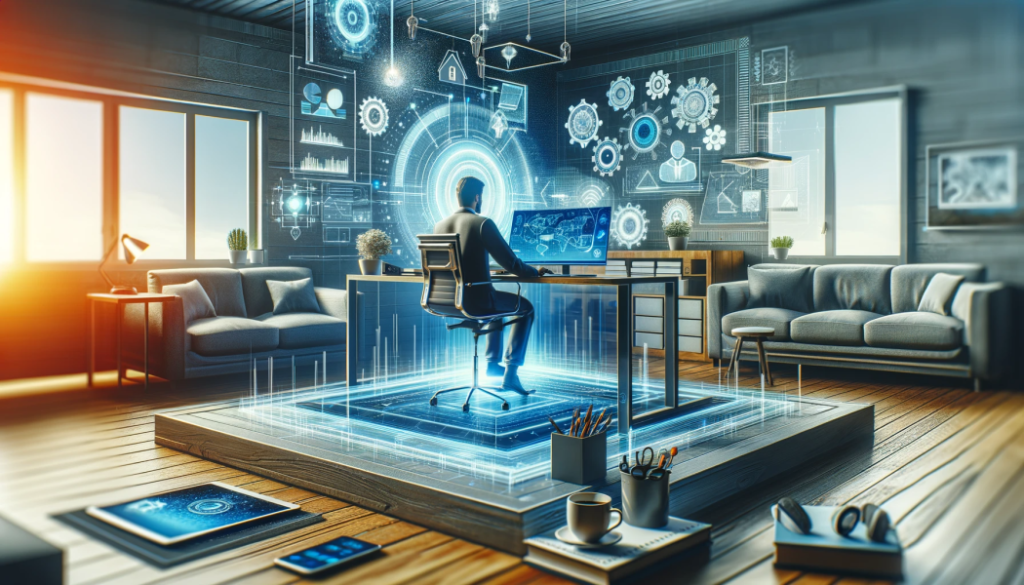
Johdanto: Etä- ja hybridityömallien omaksuminen on muuttanut liiketoimintaympäristöä, tuoden mukanaan ainutlaatuisia haasteita ja mahdollisuuksia. Digitaalisen transformaation neuvonantajana tarjoan näkemyksiä työkalujen hallinnasta ja etätyöntekijöiden tukemisesta, jotta tuottavuus ja työntekijöiden tyytyväisyys varmistetaan tässä uudessa työn aikakaudessa.
Yhtenäiset viestintä- ja yhteistyötyökalut Yhtenäiset viestintätyökalut, kuten Zoom, Slack ja Microsoft Teams, sekä yhteistyöohjelmistot, kuten Asana ja Monday.com, ovat olennaisia nykyisessä etätyöympäristössä. Ne mahdollistavat sujuvan tiimityön ja projektinhallinnan, kurovat umpeen etä- ja toimistotiimien välisen kuilun.
Turvallinen etäkäyttö ja pilven käyttöönotto Turvallinen etäkäyttö yrityksen verkkoihin on ratkaisevan tärkeää toiminnan jatkuvuuden ylläpitämiseksi. Pilvipohjaiset järjestelmät, kuten Google Workspace ja Microsoft 365, tarjoavat joustavuutta ja saavutettavuutta, jotka ovat avain tehokkaaseen etätyöhön.
Tiimivuorovaikutus, säännölliset check-init ja palaute Tiimin yhteenkuuluvuuden ja sitoutumisen ylläpitäminen etäympäristössä on ratkaisevan tärkeää. Viikoittaiset epämuodolliset tiimihengailut mahdollistavat rennon vuorovaikutuksen ja ajatustenvaihdon, vahvistaen tiimihenkeä. Säännölliset check-init ja jäsennellyt palautesessiot tarjoavat foorumeita yksilöllisten haasteiden käsittelemiseen ja avoimien viestintäkanavien ylläpitämiseen, varmistaen, että etätyöntekijät tuntevat olevansa yhteydessä ja arvostettuja.
Joustavat käytännöt ja edistynyt kyberturvallisuus Joustavien työskentelykäytäntöjen omaksuminen erilaisten etätyötilanteiden huomioimiseksi on olennaista. Kyberturvallisuus-infrastruktuurin vahvistaminen arkaluonteisten tietojen suojaamiseksi etätyöympäristöissä on yhtä tärkeää.
Kattava koulutus ja ergonomiset työtilat Kattavan koulutuksen tarjoaminen etätyötyökalujen käyttöön ja jatkuva IT-tuki mahdollistavat sujuvan toiminnan. Myös ergonomisten kotitoimistojen järjestelyistä neuvominen on tärkeää, sillä se vaikuttaa merkittävästi fyysiseen mukavuuteen ja tuottavuuteen.
Työntekijöiden hyvinvoinnin, mielenterveyden ja jäsenneltyjen taukojen priorisointi Työntekijöiden hyvinvointi ja mielenterveys ovat etätyössä ensiarvoisen tärkeitä. Resurssien, kuten hyvinvointiohjelmien ja neuvonnan, tarjoaminen yhdessä kalenterijärjestelmien kautta toteutettavien jäsenneltyjen taukojen kanssa tukee tasapainoista työ- ja yksityiselämää. Tämä sisältää 10 minuutin tauot 30 minuutin kokousten jälkeen, 15 minuutin tauot 1 tunnin kokousten jälkeen sekä 5–10 minuutin tauot 45 minuutin välein pidempiä sessioita varten. Tällaisen tauottamisen varmistaminen auttaa tasapainottamaan työkuormaa ja vähentämään stressiä.
Yhteenveto: Etätiimien tehokas johtaminen edellyttää tasapainoista lähestymistapaa, jossa yhdistyvät teknologinen tehokkuus ja vahva keskittyminen inhimillisiin tekijöihin. Sen jälkeen, kun etätyöstä on tullut yleisempää COVIDin jälkeen, olemme havainneet etätyöntekijöiden keskuudessa tietynlaisen uupumuksen nousevan esiin. Tämä väsymys johtuu usein taukojen puutteesta päivän aikana, kun ihmiset päätyvät peräkkäisiin kokouksiin ilman aikaa käsitellä asioita ja palautua sessioiden välillä. Tämä jatkuva osallistuminen luo korkean stressin ympäristön, erityisesti pidemmillä ajanjaksoilla.
Lisäksi etätyöntekijöiden lounastauot koostuvat usein syömisestä tietokoneen ääressä kokousten aikana. Tällaiset tavat eivät ole kestäviä ja voivat johtaa pitkäaikaiseen väsymiseen ja hyvinvoinnin heikkenemiseen. ’Aina saatavilla olemisen’ käsite on kehittynyt etätyön myötä, herättäen tärkeitä kysymyksiä työn ja vapaa-ajan rajoista sekä työntekijöiden terveydestä.
On olennaista tunnistaa ja käsitellä nämä asiat, jotta voidaan ylläpitää terve ja tuottava etätyövoima. Kutsun ammattilaisia ja organisaatioita jakamaan kokemuksiaan ja strategioitaan etätyön hallitsemisessa. Tehdään yhteistyötä lähestymistapojemme hiomiseksi ja omaksutaan nämä kehittyvät työskentelydynamiikat, varmistaen, että asetamme tiimiemme hyvinvoinnin etusijalle tässä uudessa normaalissa.
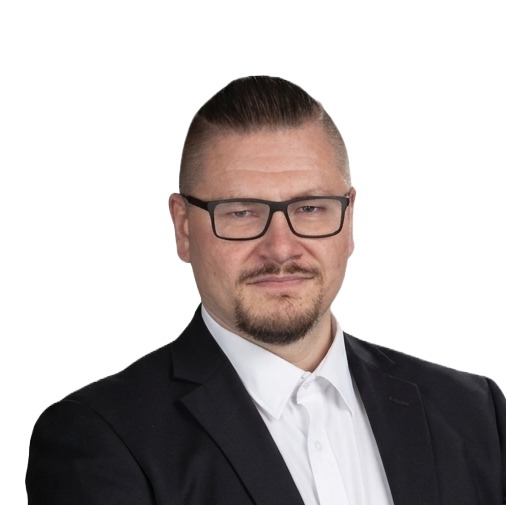
Markku Arvekari
Digital Transformation Expert