Vihreän kentän IT-projektin vieminen visionäärisestä konseptista onnistuneeksi todellisuudeksi edellyttää huolellista suunnittelua, selkeää toteutusstrategiaa ja linjausta liiketoiminnan tavoitteiden kanssa. Greenfield-projektit tarjoavat luonteensa vuoksi joustavuutta innovoida ja luoda ratkaisuja alusta alkaen. Tämä vapaus tuo kuitenkin mukanaan myös haasteen varmistaa, että jokainen vaihe hallitaan huolellisesti sudenkuoppien välttämiseksi. Tämä lähestymistapa on linjassa toimialan standardikehysten, kuten TOGAFin ja PRINCE2:n, kanssa ja varmistaa, että parhaita käytäntöjä noudatetaan koko projektin elinkaaren ajan.
Vaihe 1: Vision ja tavoitteiden määrittely
Minkä tahansa onnistuneen greenfield IT -projektin perusta on hyvin määritelty visio. Tässä vaiheessa asetetaan selkeät tavoitteet, jotka ovat linjassa yrityksesi strategisten päämäärien kanssa. Näin pääset alkuun:
-
Muotoile visio: Aloita muotoilemalla, mitä projekti pyrkii saavuttamaan. Onko tavoitteena luoda uusi tuote, parantaa asiakaskokemusta vai optimoida sisäisiä prosesseja? Tämä visio ohjaa kaikkia myöhempiä päätöksiä.
-
Aseta SMART-tavoitteet: Määrittele täsmälliset, mitattavat, saavutettavissa olevat, relevantit ja aikaan sidotut (SMART) tavoitteet, jotka pilkkovat vision toimeenpantaviin osiin. Esimerkiksi jos visiona on rakentaa uusi verkkokauppa-alusta, SMART-tavoite voisi olla alustan julkaisu 12 kuukauden kuluessa vähimmäiskelpoisella tuotteella (MVP), joka tukee vähintään kolmea maksunvälitystapaa.
-
Linjaa liiketoimintastrategian kanssa: Varmista, että projektin tavoitteet ovat linjassa laajemman liiketoimintastrategian kanssa. Tämä linjaus varmistaa, että projekti edistää organisaation pitkän aikavälin tavoitteita ja saa tarvittavan tuen sidosryhmiltä.
Vaihe 2: Yksityiskohtainen suunnittelu ja suunnitteluratkaisut
Kun visio ja tavoitteet ovat paikoillaan, seuraava askel on laatia yksityiskohtainen suunnitelma ja suunnitella projektin arkkitehtuuri. Tämä vaihe on ratkaiseva onnistuneen toteutuksen pohjatyön tekemiseksi.
-
Projektin laajuuden määrittely: Määrittele projektin laajuus, mukaan lukien kehitettävät ominaisuudet ja toiminnallisuudet. Rajaa selkeästi, mikä kuuluu laajuuteen ja mikä ei, jotta vältetään laajuuden hallitsematon kasvu, joka voi suistaa aikataulut ja budjetit raiteiltaan.
-
Resurssien kohdentaminen: Tunnista tarvittavat resurssit, mukaan lukien teknologia, henkilöstö ja budjetti. Varmista, että projektille on kohdennettu riittävät resurssit viivästysten välttämiseksi ja laadun varmistamiseksi.
-
Arkkitehtuurisuunnittelu: Suunnittele järjestelmäarkkitehtuuri huomioiden skaalautuvuus, tietoturva ja tuleva kasvu. Ota arkkitehdit ja kehittäjät mukaan varhaisessa vaiheessa, jotta voidaan luoda kehitystä ohjaava suunnitelma.
-
Riskien arviointi: Tee perusteellinen riskien arviointi mahdollisten haasteiden ja esteiden tunnistamiseksi. Laadi lieventämisstrategiat jokaiselle tunnistetulle riskille niiden vaikutuksen minimoimiseksi projektiin.
Vaihe 3: Toteutus ja kehitys
Toteutusvaiheessa projekti siirtyy suunnittelusta toimintaan. Tämä vaihe edellyttää huolellista koordinointia ja johtamista, jotta projekti pysyy aikataulussa.
-
Agile-menetelmä: Harkitse agile-menetelmän käyttöönottoa iteratiivisen kehityksen ja säännöllisen palautteen mahdollistamiseksi. Agile-käytännöt voivat auttaa tiimiä reagoimaan muutoksiin ja haasteisiin tehokkaammin.
-
Säännölliset virstanpylväät: Määritä säännölliset virstanpylväät ja tarkistuspisteet etenemisen seurantaan. Tämä mahdollistaa ongelmien varhaisen havaitsemisen ja varmistaa, että projekti pysyy linjassa tavoitteidensa kanssa.
-
Laadunvarmistus: Ota käyttöön vahvat laadunvarmistusprosessit (QA) järjestelmän testaamiseksi jokaisessa vaiheessa. QA:n ei tulisi olla jälkikäteen tehtävä asia, vaan olennainen osa kehitysprosessia korkealaatuisen lopputuotteen varmistamiseksi.
-
Sidosryhmäviestintä: Ylläpidä avointa ja säännöllistä viestintää kaikkien sidosryhmien kanssa. Kaikkien ajan tasalla pitäminen auttaa hallitsemaan odotuksia ja varmistaa, että mahdolliset muutokset laajuudessa tai suunnassa ymmärretään hyvin ja niistä sovitaan.
Vaihe 4: Käyttöönotto ja tuotantoon siirtyminen
Viimeinen vaihe sisältää projektin käyttöönoton ja sujuvan tuotantoon siirtymisen varmistamisen. Tämä vaihe on kriittinen, sillä se merkitsee siirtymää kehityksestä todelliseen käyttöön.
-
Käyttäjäkoulutus: Tarjoa kattavaa koulutusta loppukäyttäjille, jotta he osaavat käyttää uutta järjestelmää tehokkaasti. Tämä on erityisen tärkeää, jos projekti sisältää merkittäviä muutoksia olemassa oleviin prosesseihin.
-
Datan migraatio: Jos projektiin sisältyy datan siirto vanhoista järjestelmistä, suunnittele ja toteuta migraatio huolellisesti datan häviämisen tai korruptoitumisen välttämiseksi.
-
Pilottitestaus: Harkitse pilottitestausta tai pehmeää julkaisua ennen täysimittaista käyttöönottoa. Tämä mahdollistaa viime hetken ongelmien tunnistamisen ja ratkaisemisen hallitussa ympäristössä.
-
Tuki tuotantoon siirtymisen jälkeen: Varmista, että julkaisun jälkeen on saatavilla riittävä tuki mahdollisten esiin tulevien ongelmien ratkaisemiseksi. Tämä voi sisältää erillisen helpdeskin, paikan päällä annettavan tuen tai lisäkoulutustilaisuuksia.
Yhteenveto: Vision muuttaminen todellisuudeksi
Greenfield IT -projektin onnistunut suunnittelu ja toteutus edellyttävät strategista lähestymistapaa, jossa innovointi tasapainotetaan käytännön huomioiden kanssa. Määrittelemällä vision huolellisesti, suunnittelemalla yksityiskohtaisesti, toteuttamalla täsmällisesti ja hallitsemalla käyttöönoton tehokkaasti yritykset voivat muuttaa greenfield-projektinsa onnistuneiksi todellisuuksiksi, jotka vauhdittavat kasvua ja innovointia.
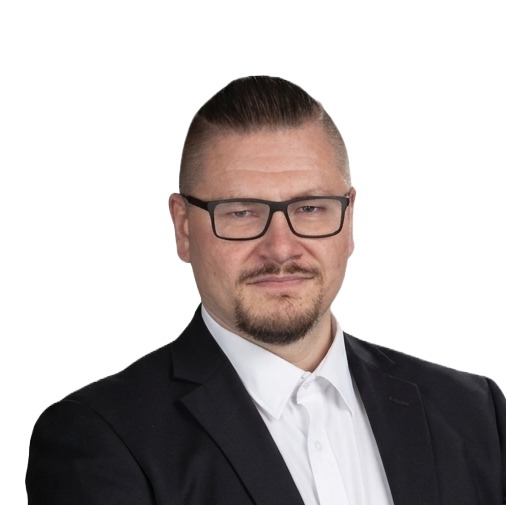
Markku Arvekari
Digital Transformation Expert